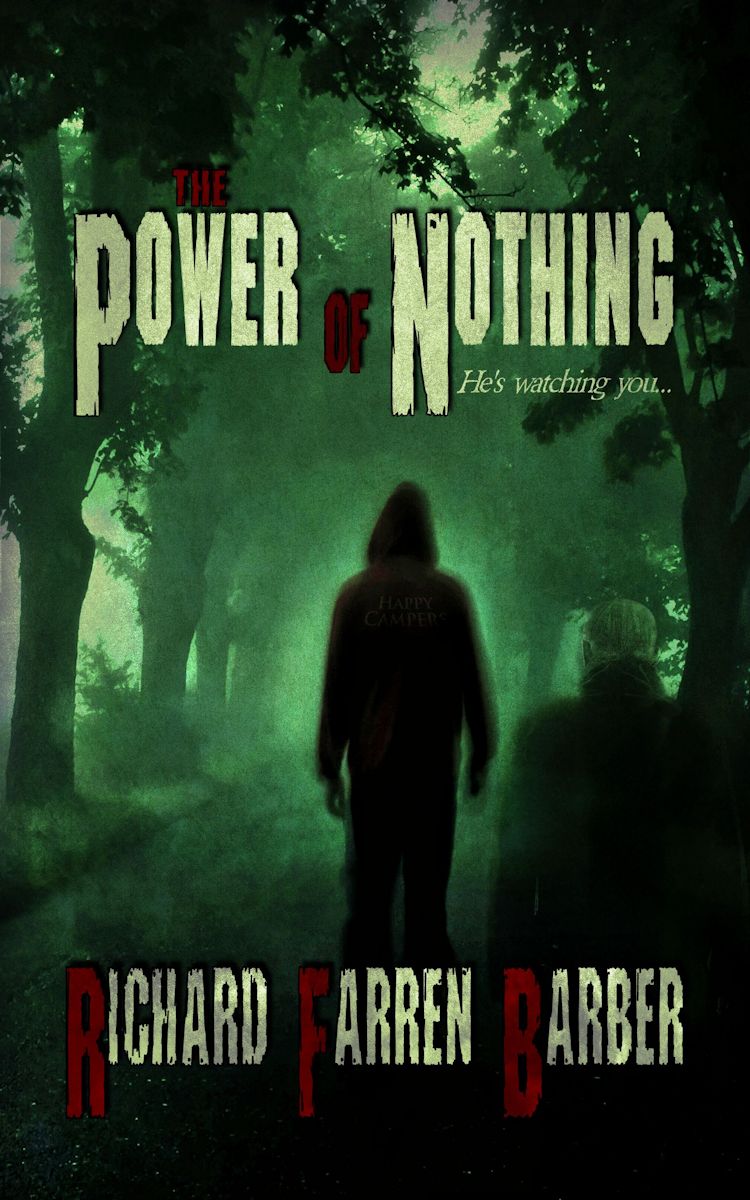
Despite what the title and cover suggests, this novella from DarkFuse isn’t a zombie story. It has a similar anticipatory aura at the outset, but rather than delivering adrenaline and the undead, this tale brings a haunting and disturbed take on the apocalypse. Jackson Smith has a job interview, but notices during his bus journey into the city that something is askew. People seem distracted or silently adrift, and upon a bridge that becomes the scene of a suicide, Jackson finds himself succumbing to the dreamlike haze, entranced by the dark river that claimed the body.
He makes it to his interview up on the 8th floor of an office building, but after a series of increasingly gruesome deaths – and a sinister and enticing voice that has begun in his head – he realises that the city is gripped by some kind of suicide plague.
Trying to ignore the suggestions of his subconscious, Jackson latches on to the vague hope of finding his girlfriend Donna and ventures out into the burning city to find her.
This novella is superbly written, snaring us immediately with the author’s vision of an ordinary day turned to hell. Richard Farren Barber never tells us anything but simply lets us realise, and it’s always nice to be seamlessly informed yet unpatronised by an author.
Jackson himself is a normal and generally decent fellow, perhaps even rather bland, but this only accentuates the horror that intrudes into the urban mundanity. His reactions to the unpleasant events are very human, as is the way he grasps at a tangible goal – his girlfriend waiting for him – to try and bring cohesion and focus to the madness.
I particularly liked the novella’s pervading sense of nightmare. It begins subtly with a rocking man on the bus whom Jackson believes to be mentally ill, cranks up the unease through the silent witnessing of the suicide, and then really puts us on edge during the interview when one of the panel starts rocking and angrily mumbling to himself. I actually enjoyed this rollercoaster hill-climb more than when the city finally capsized.
But that’s not to say the apocalypse is a disappointment. It’s beautifully painted, full of grim and heartbreaking images of the oddly gentle carnage. Some people kill themselves, others slip into catatonia where they sit, presumably lost to their own whispering psyches. Jackson is left to battle himself as he wanders the city with Susan, a woman whose suicide he managed to avert, and they’re a pleasingly awkward team. Bound by circumstance and clinging to rationality, their relationship is suitably strained and soporific as both struggle to stay afloat.
I did find the second half slightly overlong and a more fleshed-out conclusion or an extra plot device or two might have assuaged its length for me. But this might also have distracted from the mood, not to mention Jackson’s internal voice. This is the essence of the scourge, and the most effective of villains: inescapable, parasitic and very creepy.
There’s little action, so if the cover had you hoping for scrabbling hordes and white-knuckle bloodshed, then you’ll be disappointed. Nor is it for those who prefer neat concrete packages with all their questions answered. But I loved the lingering menace of “The Sleeping Dead” and was left restless and bothered without quite being able to say why. Which is exactly how Jackson Smith’s day began…
 Welcome to the Hellforge