“After over indulging in an Amsterdam coffee-shop, Jennifer wakes in her hotel room to a terrifyingly vague emergency alert message on her phone. On the other side of town, the same alert saves Jonah from the world’s worst stag-do. Soon both of them will be fighting for their lives on the cobbled streets of Amsterdam.
Will these ordinary people overcome exceptional circumstances and be able to live with the choices they make? Will they even make it out alive? It’s not always survival of the fittest!”
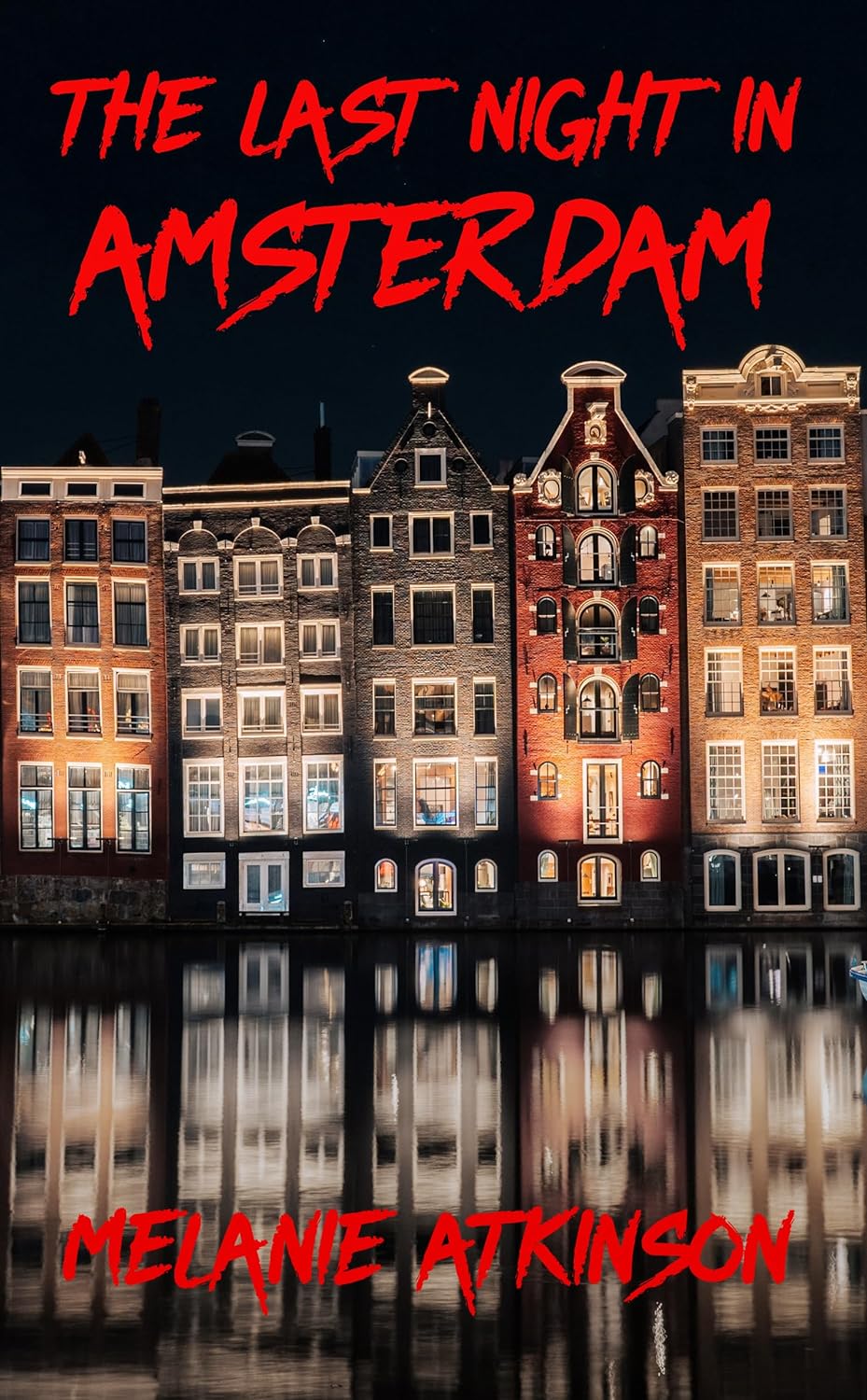
I bought ‘The Last Night in Amsterdam’ because I wanted a lively outbreak story to devour, and having visited Amsterdam several times (including on stag-dos), the idea of nostalgic familiarity appealed.
And devoured it was. In the tradition of the best classic zombie stories, we don’t just get suspense, screaming and airborne entrails, but also a taut and sobering analysis of the human condition, tempered with heart and humour.
The book is largely narrated by Jennifer and Jonah in a deftly crafted flashback structure. We learn immediately that both have survived the zombie outbreak that ravaged the city, and are now pole-axed by PTSD and attempting to deal with the experience. It also becomes clear that as well as the trauma, they both engaged in activities that continue to haunt them.
You need assured writing for this to work, and the author presents two strong lead voices. Jennifer is single, travelling alone, and hoping the trip to Amsterdam will be a cure for her annual winter blues. Jonah is on a stag-do with his old football mates, but is struggling with the bar-hopping hedonism of the group and would rather be in a museum, or even better, at home with his girlfriend.
Both are investable, engaging characters and often droll with their outlook on life. They present that bridge between youth and sensible adulthood: still in possession of some adventure but with a healthy injection of cynicism and wisdom. But most importantly they’re believable, which is why we empathise, and the plentiful dialogue is natural and sharp.
The secondary players are just as real, even the ones we might dislike, such as best man Ross from the doomed stag-do who is a manipulative and irritating bell-end. Relatable feelings abound throughout, and it was largely this that immediately kept pulling me back to the book whenever I got the chance.
What also makes this story stand above many of its similar peers, is that I didn’t just want to find out what happened next. I wanted to know how the protagonists felt about recent events. I wanted to know how they would decide what to do, and how would they deal with the consequences. This level of character focus is what really elevates a piece.
The pace is perfect, nimbly changing gears as it moves from past to present. From breathless chases through the canal and corpse-lined streets of Amsterdam to atmospheric scenes of foreboding, the author gauges our anticipation perfectly. The zombie creatures, with their creative and horrific injury detail, are runners rather than shamblers, which elevates the pace to breakneck speed when required.
There’s a flavour to Melanie Atkinson’s writing, and the evocation of everything from smells to vibes to facial expressions is immaculately presented with crisp attention to detail. Similes aren’t intrusively overused, but the ones we get are lovely. For example “The thing moved in a disjointed hobble, like a ravenous marionette that had broken its strings and come to life” paints such a striking and ghastly picture of an approaching zombie that no further description is required.
Thanks to this skilled writing, we also get a feel for the city. It’s a palpable place in this story, which makes the descent into hell even more potent. There’s a scene at the start of the outbreak in which a morning crowd gathers beside of a canal to see a rising dune of waterlogged undead trying to scramble out, and it has such a beautifully nightmarish quality that it feels like an actual memory.
There are plenty of surprises towards the end, and the finale is satisfying and appropriate, bookending the whole thing with fiendish style.
I’ll certainly keep my eye out for Melanie Atkinson’s future work. Like some of the better zombie tales I’ve read, ‘The Last Night in Amsterdam’ isn’t carried purely by the violent gruesome elements. Although these are riveting and superb, the true darkness of the piece comes through the fragilities, instincts and actions of the characters. There’s so much relatable humanity here. Decision making, regret, survival instinct, friendship, peer dynamics, graveyard humour, hubris, guilt and social anxiety are rendered raw onto the page, all too familiar and utterly convincing. Try as we might, we can’t ignore the discomfort of wondering what we would’ve done in several of their situations.
But the author keeps it all from becoming too intense with dark humour throughout, and coming from the wry perspectives of our narrators, this keeps the book at just the perfect tone for peak enjoyment.
Recommended.
Amazon Kindle link
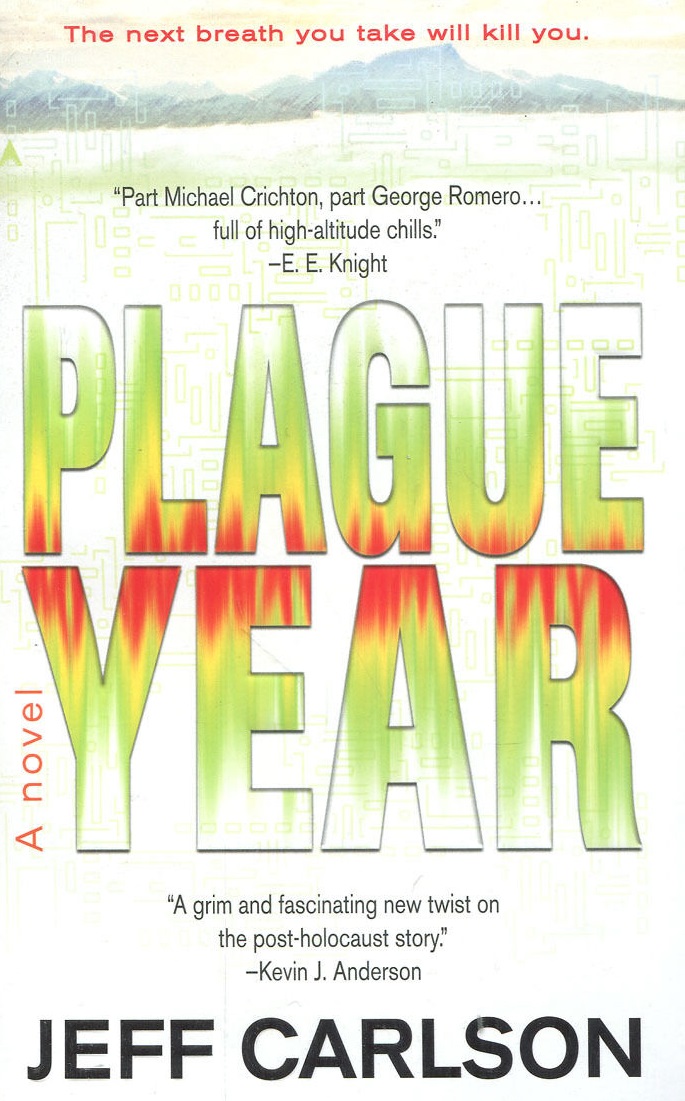
 It’s five years since most of the world’s population has been decimated and we find a new social order in the hands of a sinister cult called the Clergy. Our enigmatic protagonist (and narrator) takes us on a brutal adventure through the shanties and clans of New York. He isn’t an entirely pleasant creature, and deliberately so, and proves to be increasingly fascinating the more we learn.
 Welcome to the Hellforge